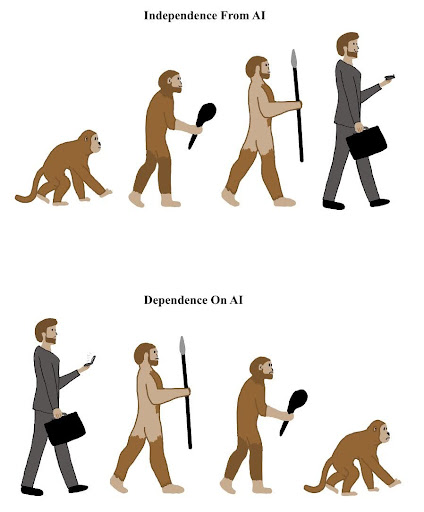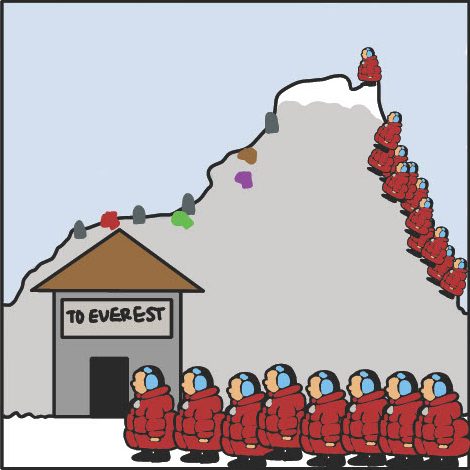
The advancements of humanity are incredibly broad, but one particular area of achievement is in technological innovation.
Advancements in technology have defined human intellect as superior to the planet’s other inhabitants; however, while being the primary ecological winner, people still possess the fatal flaw of limitation. They must eat, sleep and live, stealing away precious time that could be better spent working. By substituting human error with technological efficiency, these drawbacks are eliminated and result in the perfect soldier for human advancement: generative artificial intelligence, or AI. Yet while generative AI is hailed for its transcendent productivity, its insatiable appetite for natural resources grows increasingly concerning.
Applications like Chat GPT, DALL-E and Sora are examples of AI programs accessible by the click of a button with deceiving simplicity.
While they are seemingly condensed into the confines of a device’s screen, their wires run much deeper. Each application operates through numerous data centers, resulting in a modest estimation of roughly 1,240 facilities in 2024. Within these centers are complex server racks equipped to handle intense computations, fueled by extreme sums of resources.
The electricity demanded to maintain these programs is astonishing, in both its amount and environmental impact. When consumed, the resulting carbon dioxide emissions contribute significantly to the issue of climate change.
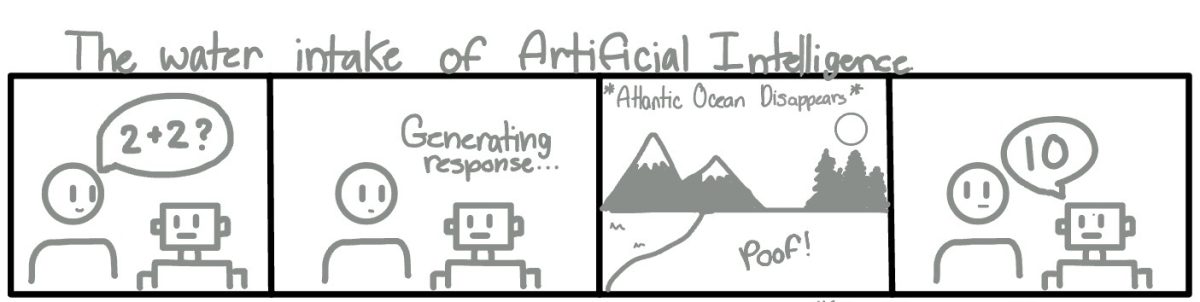
Furthermore, energy generates heat, and by using a substantial amount of energy, a proportional measurement of heat is implied. Data centers utilize freshwater cooling systems, consuming a large portion of water before expelling it back into the environment. While seemingly harmless, as no water is technically consumed, what was once drinking water has become contaminated with high concentrations of minerals.
While AI technology will likely become unavoidable in the near future, precautions can be taken to lessen the severity of its impact.
Evaluating how programs are utilized and refraining from using them unnecessarily are small actions that can have major impacts.