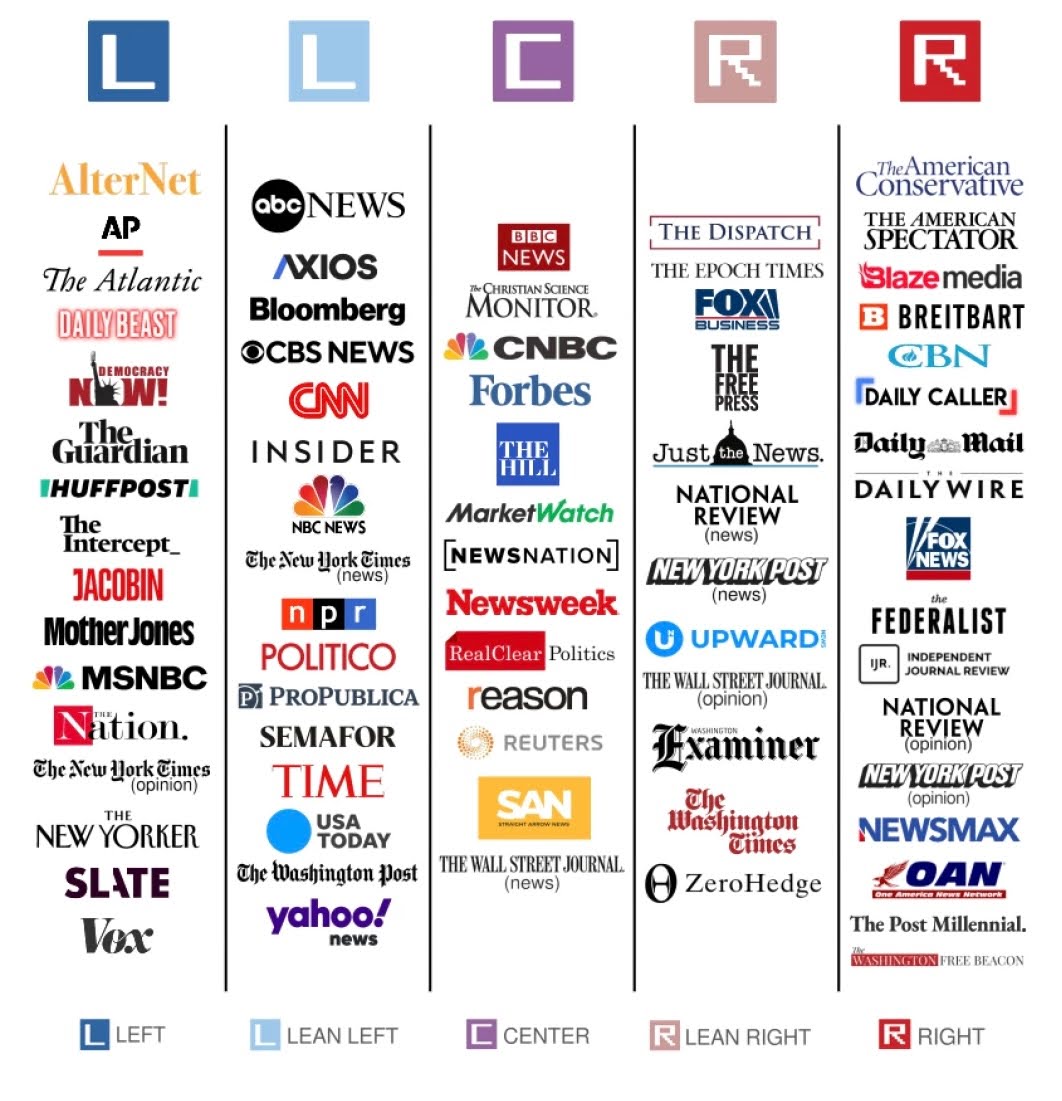
In today’s world political opinions are loudly voiced, making it crucial for students to approach their beliefs with careful research. Forming political views without a solid foundation of knowledge can lead to unintentionally supporting causes one does not fully understand or spreading misinformation. Many young people adopt the political stances of their families without questioning or investigating the actual issues, which can result in holding beliefs that are not truly their own or are based on incomplete information.
Research is essential to ensure that one’s political views are well-informed and reflect their own values. By diving into the history of controversial topics, people can understand the reasons behind current debates and avoid making uninformed statements. Political issues often have complex roots, and understanding their historical context is vital for grasping their significance. Without this background, it is easy to misinterpret information or support positions that are based on a flawed understanding of the past.
“We must seek a variety of sources to find credible information representing diverse viewpoints. I recommend that everyone in my class ‘triangulate’ their research with a minimum of three sources,” said History Teacher Margaret Reed. “In International Politics, I encourage them to find one left-leaning, one right-leaning, and one moderate source. Ideally, I would like them to find one international source as well.”
Relying on a single, biased source can corrupt people’s perspective and prevent them from seeing the full picture. By examining different political stances, one can develop a balanced understanding of the topic and form a well-reasoned opinion. This approach not only strengthens one’s own beliefs but also allows them to engage in more productive and respectful conversations with others who may hold different views. Research and educating oneself is empowering and allows people to think critically, challenge assumptions, and contribute truthfully and meaningfully to political discourse.